
Featured
See all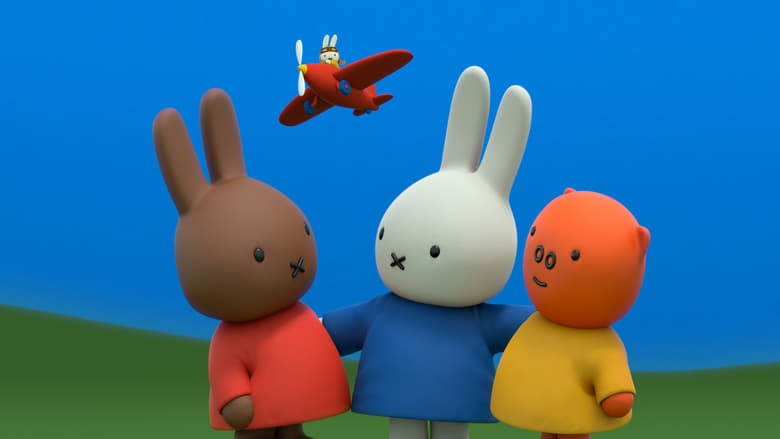

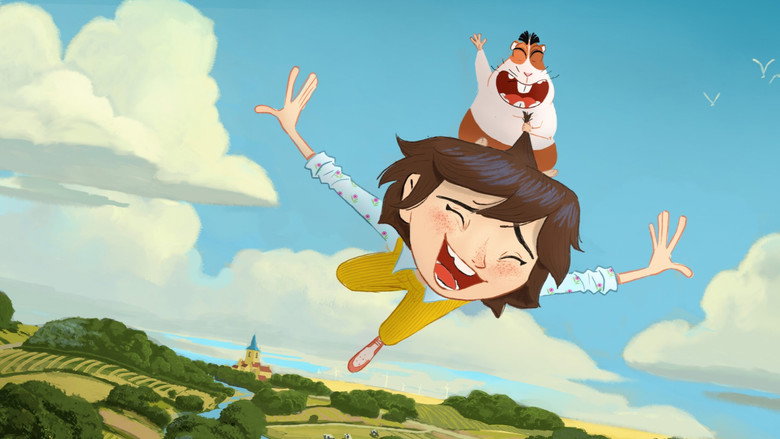 FrenchFilm · 2026The Girl in the Clouds
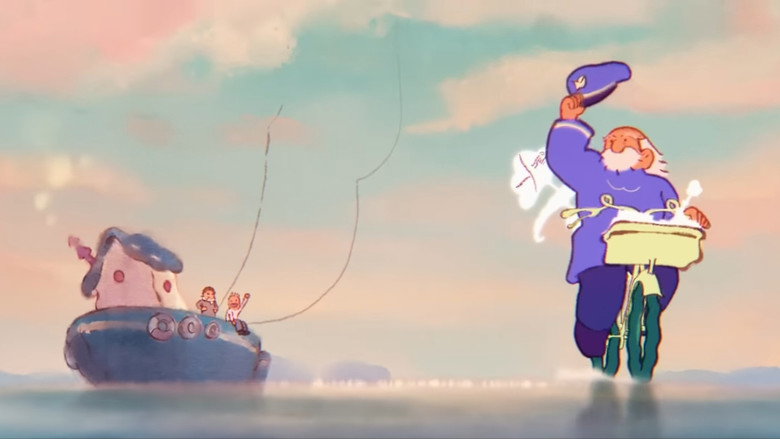 FrenchShort · 2026Chère fin,
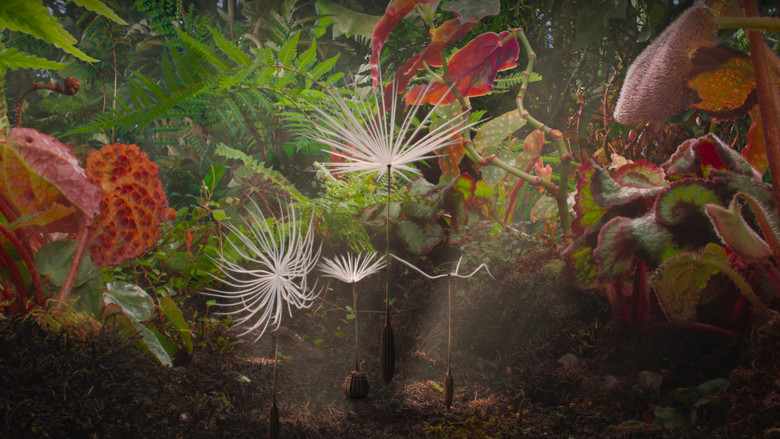 FrenchFilm · 2026Dandelion's Odyssey
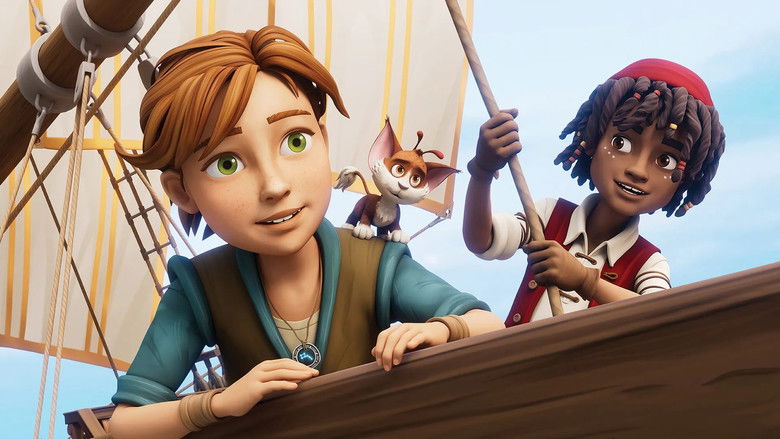 FrenchFilm · 2026Lydia and the Mist Rider
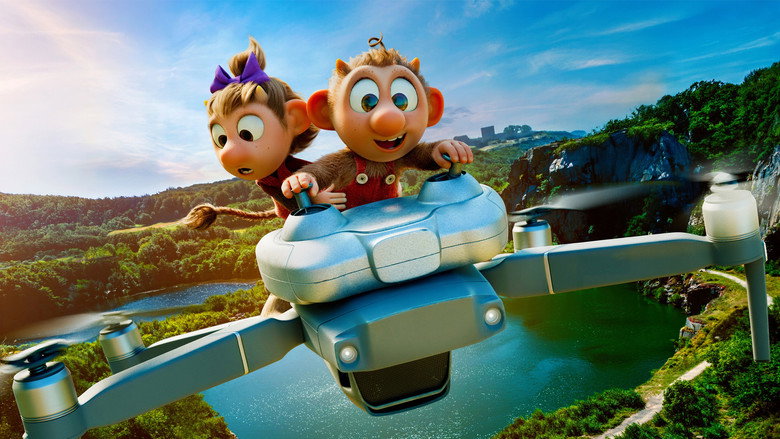 DanishFilm · 2026Curly Burly
 DanishFilm · 2026When Mumbo Jumbo Grew Giant
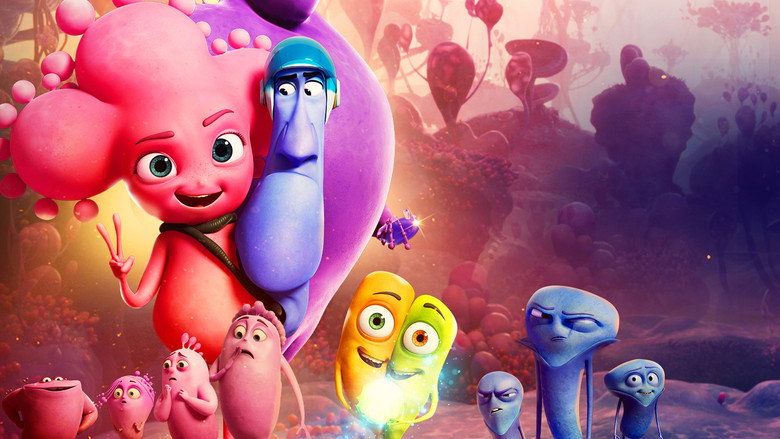 NorwegianFilm · 2026Unstoppable
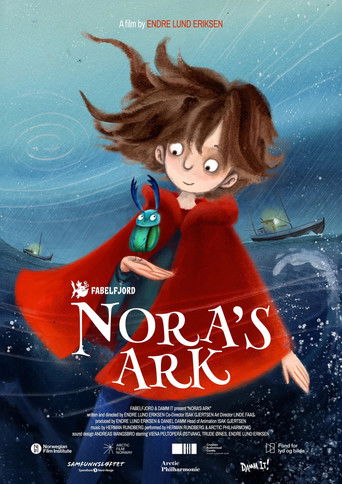 NorwegianShort · 2026Nora's ark
 NorwegianFilm · 2025North
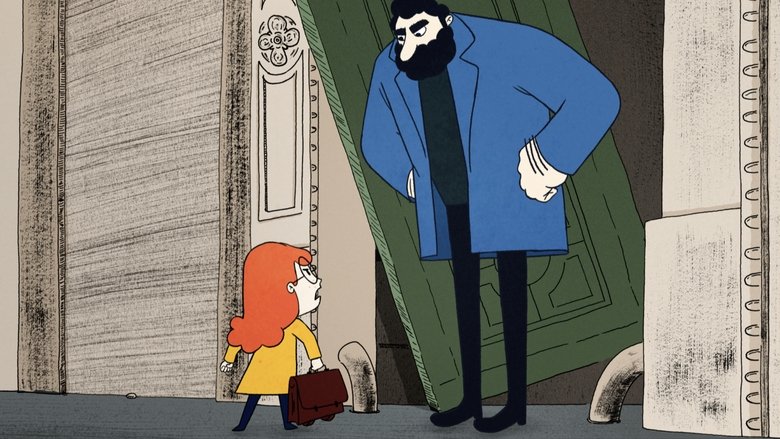 FrenchFilm · 2025My Life in Versailles – The Movie
 DutchFilm · 2025Miss Moxy
 DutchFilm · 2025Fien & Teun gaan op schattenjacht

 IcelandicFilm · 2010LEGO: The Adventures of Clutch Powers
- DanishFilm · 2026When Mumbo Jumbo Grew Giant
- NorwegianFilm · 2026Unstoppable
- DanishFilm · 2026Curly Burly
- NorwegianFilm · 2025North
 DanishShort · 2024The Swineherd
 SwedishShort · 2023Silkesapans skratt
 SwedishFilm · 2006Desmond & the Swamp Barbarian Trap






Guides
- How to watch with AnimeOnlineFrom the card grid to the official service.
- The Low CountriesDutch and Flemish animation.
- Nordic animationSweden, Norway, Denmark, Finland and Iceland.
- France, Germany and Southern EuropeFrench, German, Italian, Spanish and Catalan animation.
- Oscar winners and classic shortsAward-winning European shorts.
- Languages and dubsOriginal voices, dubs and subtitles.
- The official AnimeOnline siteHow to recognise the real address.
- Is AnimeOnline working?A quick check and easy fixes.
- Where AnimeOnline films streamThe official services behind Watch now.
- Apps and devicesPhones, tablets, computers and televisions.
- Free European animationLegal ways to watch at zero cost.
- Watching safelyA short checklist.
- Finding a filmSearch tips.
- My ListBuilding your own programme.
- Winter and Christmas filmsSnow, Saint Nicholas and Christmas.
AnimeOnline: European animation from the Netherlands, Belgium, France, Germany, Southern Europe and the Nordic countries, from Miffy and Laban the Little Ghost to the Moomins, Pat & Mat and the Oscar winners Balance and Anna & Bella
Europe is one of the great homes of animation. Long before streaming made the world's films available at the touch of a button, animators in Amsterdam, Brussels, Paris, Berlin, Stockholm, Oslo, Copenhagen, Helsinki, Barcelona and Rome were making films that delighted children and won prizes at the world's festivals. Many of those films are little known outside their home countries, yet they include some of the most charming family films, gentle television characters and brilliant short films ever made. AnimeOnline is a guide to that world: a hand-picked catalogue of animation from Western and Northern Europe, from 1936 to 2026, with a page for each film and a Watch now button that leads to the official services that carry it.
Here you will find 162 films. There are 56 from the Netherlands and Flanders, including Miffy the Movie, Benjamin Bat, Oink, Coppelia, the Fien & Teun films and the Oscar winner Anna & Bella. There are 49 from the Nordic countries, including the Swedish Laban the Little Ghost films, the Finnish Christmas Comes to Moominvalley, the Norwegian adventure North and the Danish puppet epic about Holger the Dane. There are 23 French-language films, from Lydia and the Mist Rider to The Rooster of St. Victor, 20 German-language films, including the Oscar winner Balance and the classic fairy tale Dwarf Nose, and 14 from Italy, Spain, Catalonia and the Portuguese-speaking world.
Every film has its own page with the story, the year, the running time and the studio. A Watch now button opens the film on JustWatch for the country you choose, where the subscription, rental, purchase and free services that carry it are listed side by side. Public broadcasters and national film institutes across Europe also share many of these films on their own official channels, and the guides on AnimeOnline point the way to those sources.
This page is the long guide to the catalogue. It explains how the site is arranged, introduces the films country by country, follows the favourite characters, the fairy tales and the Christmas films, and suggests programmes for an evening at home. Read it from top to bottom, or jump to the country or theme that interests you.
Why European animation
European animation has a character all its own. Many European countries have strong public broadcasters and film funds that support animation for children, and the result is a long tradition of gentle, thoughtful and beautifully designed films for young audiences: the simple shapes of Miffy, the warm watercolours of the Moomins, the friendly ghosts of Laban. At the same time, the art schools and film institutes of Europe have produced a remarkable line of short films that treat animation as an art form, from the Oscar-winning Balance and Anna & Bella to the musical shorts of Michaël Dudok de Wit.
The films also offer a window onto Europe's many cultures. Here are Dutch Saint Nicholas traditions, Swedish Christmas, Norwegian folk tales of trolls and wild ducks, Danish legends of Viking heroes, Catalan museums and Spanish voyages of discovery, German fairy tales and Flemish knights. Watching them is a little like travelling across the continent from the comfort of the sofa.
AnimeOnline is built to make that journey easy. The catalogue is arranged by country, character and theme, every film page tells you the story and the studio at a glance, and the Watch now button takes you straight to the official services that carry each film.
How AnimeOnline looks
AnimeOnline takes its look from the archived pages of animeonline.ninja, a Spanish-language anime site built on the DooPlay theme. A black header bar carries the wordmark, a row of white menu links that turn pink when you point at them, a round white search field and a pink My List button. Below it, a bar of letters from A to Z runs across the page and leads to the Browse page, just as the original site offered an alphabetical index.
The page itself sits in a dark column on a slate-grey surround. The home page opens with a light blue information banner, the same pale blue box with dark blue lettering that the original site used to introduce itself. Below it come the sections: each heading has a thin blue marker on its left, a count of films and a small blue See all tag, and each section holds a grid of wide image cards. Every card shows a still from the film with a red label for the language in the upper left corner and a pink badge in the lower right telling you whether it is a short or a full film and the year it was made, with the title on a grey bar beneath, exactly the pattern the original site used for its latest episodes.
The type is Roboto, as on the original site. On a phone, the menu folds into a round button in the header, the letter bar scrolls sideways and the cards sit two to a row.
Using the site
There are four easy ways to find a film. The first is the search field in the header: type an English title or part of one, such as Miffy, Laban or Moomin, and the results appear as you type. The second is the sections on the home page, from Featured and Latest films to the country collections. The third is the menu, which opens the collections for the Low Countries, the Nordic countries and favourite characters. The fourth is the A to Z bar, which opens the Browse page with every film in alphabetical order.
Each film page shows the poster, the year, the running time, the studio and a summary of the story. The Watch now button sits beside a country menu, so you can see the services that carry the film where you live. An Add to My List button saves the film to a personal list that stays in your browser and opens from the pink button in the header.
The collections
The catalogue is organised into seventeen collections. Five are for regions: Low Countries, French-language animation, Germany and Austria, Southern Europe and Nordic. Six follow themes: Favourite characters, Folk tales and fairy tales, Winter and Christmas, Feature films and Short films. Five collections follow the decades, from the classic era of 1936 to 1979 to the 2020s, and Top rated holds the films viewers rate most highly.
A film can sit in several collections at once. Miffy the Movie, for example, belongs to the Low Countries, Favourite characters and Feature films, and Christmas Comes to Moominvalley belongs to Nordic, Favourite characters and Winter and Christmas.
The Low Countries
The Netherlands and Flanders have a rich animation tradition, from the puppet films of George Pal in the thirties to today's busy studios in Amsterdam, Utrecht, Ghent and Brussels. AnimeOnline holds 56 Dutch-language films, the largest group in the catalogue.
The oldest is Aladdin and the Magic Lamp, a 1936 puppet film by George Pal, the Hungarian animator who worked in the Netherlands before moving to Hollywood, where his Puppetoons won him an honorary Oscar. Havenlichten, from 1959, is a gentle tale about a faulty street lantern thrown onto a rubbish heap that saves a fishing boat during a storm when the great lighthouse falls asleep, and Piccolo, Saxo and Company, from 1960, is a musical lesson in which a family of strings sets out to meet the woodwinds, the saxophones and the percussion.
The great Dutch classic of the eighties is Anna & Bella, Børge Ring's tender film about two elderly sisters looking back over their lives through a photo album, which won the Academy Award for animated short film. A Little Night Music, from 1988, has the objects in a cabinet play music at night until a meddlesome cat interrupts, and Golden Tresses is a whirling choreography set to a piece by Claudio Monteverdi. Michaël Dudok de Wit, the Dutch master who later made The Red Turtle, made The Aroma of Tea, in which a small sphere travels rhythmically across a landscape painted with tea, and Gerrit van Dijk's I Move, So I Am begins with a hand drawing other hands until the animator himself appears.
Dutch animation for young children is especially lovable. Miffy the Movie brings Dick Bruna's famous little rabbit to the cinema for the first time, as Miffy, her friends Melanie and Grunty and her dog Snuffy follow a treasure hunt through the zoo. The Fien & Teun films, Fien & Teun gaan op schattenjacht, Fien & Teun: Circus op de boerderij and Fay & Tom, follow two children and their animal friends on a farm, with plenty of songs. Tummy Tom and the Lost Teddybear and Tummy Tom 2: A New Friend for Tummy Tom follow a gentle little cat and his friend Cat Mouse, and Woozle and Pip in Search of the Scallywagger! sends two puppies in search of a mysterious thief. 2 Kleine Kleutertjes: Een Dag Om Nooit Te Vergeten follows two small children on the day their new sibling is born, and Pim & Pom: The Big Adventure tests the friendship of two cats trying to find their way home.
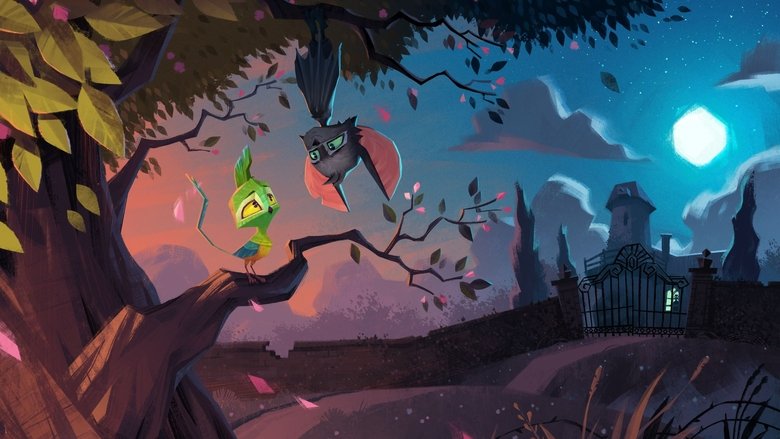
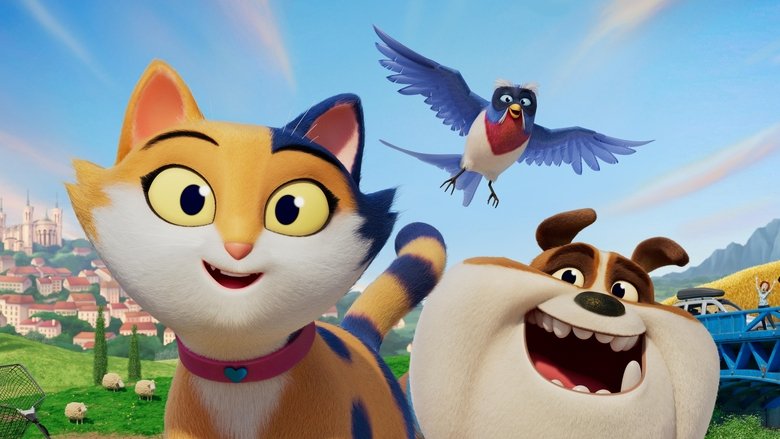
The newest Dutch and Flemish family features are full of energy. Benjamin Bat follows a sensitive young bat who is afraid of the dark and falls in love with a bird, and Oink follows a young girl who tries to house-train the unruly little piglet her grandfather gives her for her birthday. Coppelia retells the classic ballet as a modern dance film in which a girl named Swan must save her sweetheart from a sinister cosmetic surgeon. Panda Bear in Africa sends a young panda from China to Africa to rescue his best friend, a dragon, Miss Moxy follows a pampered cat on an adventure from Paris across the European countryside, and Bim follows a little winged bell on his first flight to Rome.
Flanders has its own beloved characters. Luke and Lucy: The Texas Rangers brings the famous Belgian comic heroes Suske and Wiske, known in English as Luke and Lucy, to the cinema in a time-travelling Western adventure. John the Fearless, from 1984, is a swashbuckling tale of a fearless young hero in the fifteenth century, and King Sausage turns a village upside down when a butcher competes with his Italian rival. The Daily Fable brings back De Fabeltjeskrant, the forest newspaper whose animal reporters were a fixture of Dutch television for decades, and Fairytale Tree the Movie gathers the friends of the Fairy Tale Tree, who must find five magic crystals to escape from Winterland.
The Dutch also love Pat & Mat, the two Czech handymen known in the Netherlands as Buurman & Buurman, and the catalogue holds three Dutch compilations: Pat & Mat: Back In Action, Pat & Mat: Baking and Grilling! and Buurman & Buurman - Deel 8, in which the two neighbours turn every household disaster into a triumph of improvisation.
The Dutch short films are wonderfully inventive. Vol Au Vent follows a boy trying to keep a paper plane in the air through all four seasons. Jonas and the Sea follows a man who longs to live underwater, Heads Together sends three friends of different backgrounds on an adventure with a magical washing machine, and (Otto) tells of a little girl who leaves her imaginary baby brother behind in a restaurant. Ticking Away follows a lonely watchmaker, Coot has a ferry skipper find new passengers thanks to a bird building its nest, Chick Wash sends dirty chicks through a cleaning machine, and House Trap reunites a family over a game of cat and mouse. Cliffhanger, Wild, Fata Morgana, The Refusers, Human Nature, Short but sweet, Cell Buddies, Dada, Sientje and BWAP! complete a lively shelf of short comedies.
Sweden
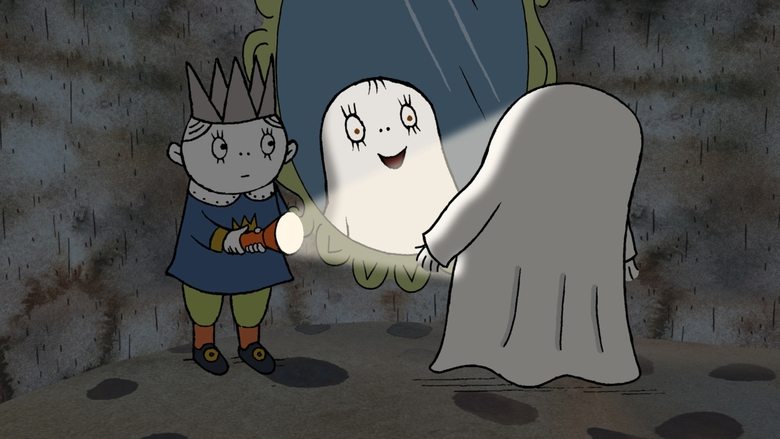
Sweden has given the world some of its best-loved children's stories, and its animators have brought many of them to the screen. AnimeOnline holds 20 Swedish films. The most beloved character on the shelf is Laban, the little ghost created by the writers and illustrators Inger and Lasse Sandberg, who lives in Gomorron Castle and is afraid of the dark. Laban the Little Ghost has Daddy Ghost show Laban his scariest haunts, Lilla Spöket Laban: Spökdags and Lilla Spöket Laban: Världens snällaste spöke continue the gentle adventures, and Var inte rädd, Långa Farbrorn gathers five favourite films for a little girl and her tall uncle, who is afraid of ghosts.
The classic Swedish films are full of charm. Barna Hedenhös, from 1961, follows a Stone Age family as they migrate north when the ice retreats, based on Bertil Almqvist's popular comic books. Kattresan, from 1982, adapts Ivar Arosenius's classic picture book from 1909, in which a little girl sets out on a great adventure riding a strange cat. Mamman och den vilda bebin shows a mother taking care of a very wild baby, Olssons pastejer follows a baker of famous pies who finds something amiss in his factory one morning, and Sjörövarfilmen follows a band of shipwrecked pirates who try life on land. A Dog's Tale follows a puppy found by a grandfather and raised on a farm, Bill and Bunny shows a big brother adjusting to his lively baby sister, and The Christmas Film is a short festive film set to a song.
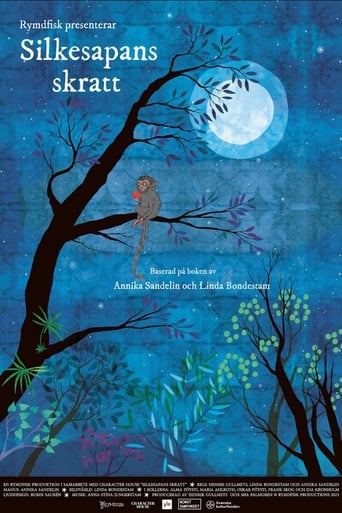
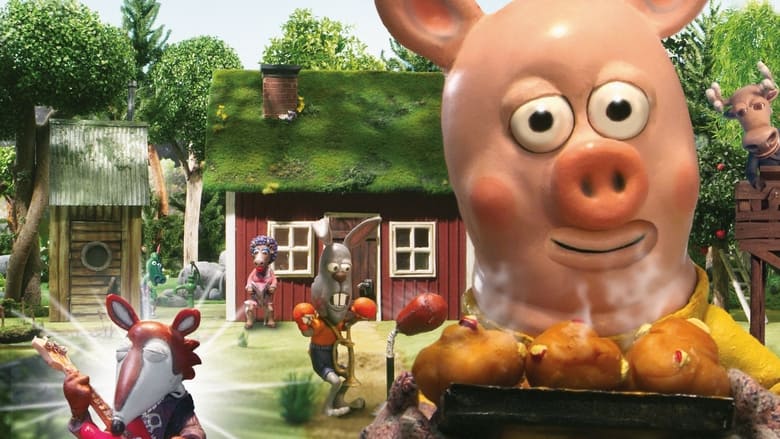
The newer Swedish films are just as warm. Astrid Lindgren's Christmas brings new life to several of Astrid Lindgren's beloved stories, some animated for the very first time. Desmond & the Swamp Barbarian Trap follows Desmond the pig and his friends as they try to catch a swamp monster whose very existence is uncertain, The World of Dolores and Gunellen follows two very different friends who share a house and a garden, and Klonkadonka! follows a girl whose best friend has joined the popular crowd. Silkesapans skratt is a sweet tale of a silk monkey and a tapir who become friends, Who's Wrong? takes place on show-and-tell day at preschool, The Calling follows a small animal drawn by an eerie call through an autumn landscape, and Glenn, the Great Runner asks whether a runner gets the support he needs.
Norway, Denmark, Finland and Iceland
Norway's animators draw deeply on the country's folk tales and wild landscapes. Det var en gang, from 1994, adapts three classic Norwegian folk tales collected by Asbjørnsen and Moe: the boys who met the trolls in the Hedal forest, the three lemons and the twelve wild ducks. Sausage retells the Norwegian tale of a poor couple granted three wishes, and North follows young Gerda into the great unknown in search of her friend Kai, a new telling of the story that inspired The Snow Queen. Unstoppable follows a little cell who longs to fit in with the others in her part of the body, Nora's ark follows a girl who launches her own rescue mission for the animals when a great flood comes, and Ursa – The song of the Northern Lights follows a little polar bear searching for his mother across the Arctic. Little Grey Wolfy: Fall Travelers, Rallskanken and Asylsøkere complete the Norwegian shelf.
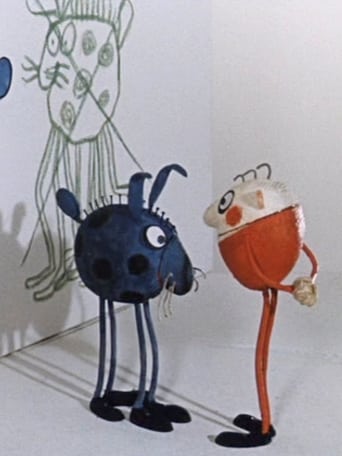
Denmark's animation has a playful spirit. The Ballad of the Viking King, Holger the Dane, from 1996, is a visually rich puppet film about Denmark's national hero, from his birth in pagan Denmark to his legendary deeds. The Swineherd adapts Hans Christian Andersen's tale of a prince who disguises himself as a swineherd, When Mumbo Jumbo Grew Giant follows a little hippo who suddenly becomes enormous, and Curly Burly follows Krølle Bølle, the little troll of Bornholm, who lives underground with his family among bat flights and cave parties. Mini and the Mozzies follows a little beetle in a flea circus, Julemærket 1964 is a cheerful Christmas cartoon by Ib Steinaa, and Rob ’n’ Ron is a miniature spaghetti Western.
Finland is the home of the Moomins, Tove Jansson's gentle trolls, and Christmas Comes to Moominvalley shows Hemulen waking the Moomins from their winter sleep to prepare for a holiday they are meeting for the very first time. Mimosa's Birthnight, from 1987, follows a little girl whose forgetful mother has lost track of how old she is on her Easter birthday, I Have a Tiger follows a boy who keeps a secret pet tiger in an apartment block, and Behaviour Blossom is a 1967 series of paper cut-out films teaching children good manners. Mole's Treasure follows a little mole looking for a fallen star in the night forest, The Brightest Star sends a curious child into a cave to meet a mysterious spirit, The Paper follows an artist chasing a runaway sheet of paper, and Torso shows two men who learn to help each other. Real Men and the safety film Varokaa heikkoa jäätä round out the shelf.
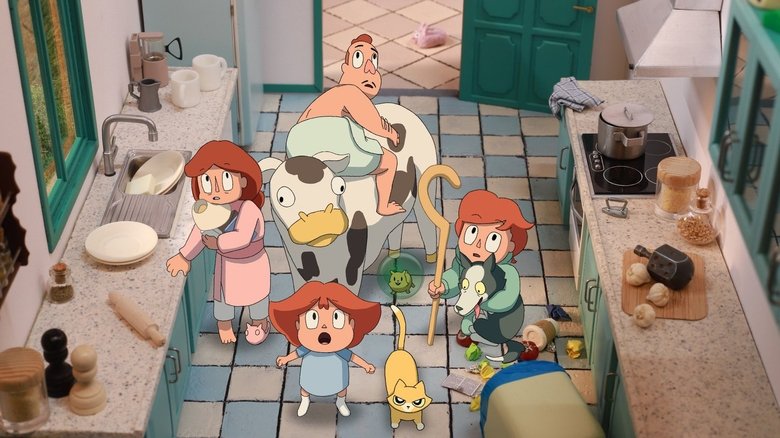
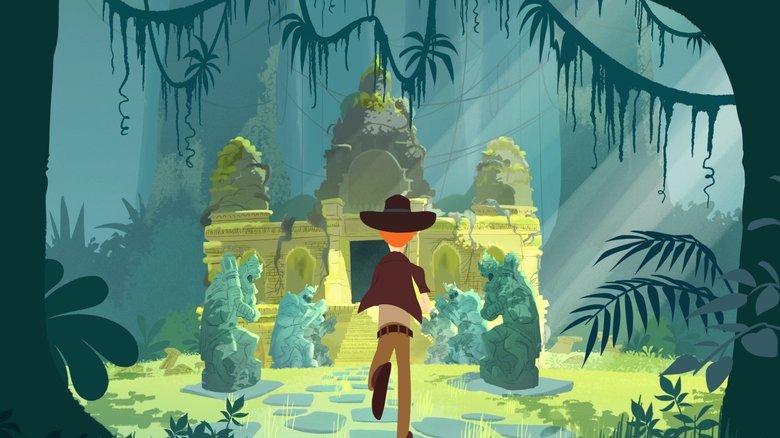
Three more films complete the Nordic shelf: LEGO: The Adventures of Clutch Powers, a space adventure with the famous bricks, Kitchen by Measure, in which a man tries to build the perfect kitchen for his wife, and Sugarcube, a small story about growing up.
French-language animation
France is one of the world's great animation countries, with famous studios and schools in Paris, Annecy and Angoulême, and Belgium, Switzerland and Quebec add their own French-language traditions. AnimeOnline holds 23 French-language films, chosen from the titles still open in the catalogue.
The newest are bright family adventures. Lydia and the Mist Rider follows an eleven-year-old girl who sets off across the Misty Sea aboard a flying ship to rescue her kidnapped brother. The Girl in the Clouds follows a young girl named Providence who is given a magic quill that makes everything she writes come true, Dandelion's Odyssey follows two dandelion seeds in search of new soil, and My Life in Versailles – The Movie follows a little girl who goes to live with her gruff uncle, a maintenance worker at the Palace of Versailles. The Darwinners is a musical prehistoric comedy about a father and daughter who disrupt the routine of the Stone Age, and The Rooster of St. Victor is a family comedy about a village rooster whose loud crowing keeps everyone awake.
The older French-language features include The Real Shlemiel, a Jewish folk comedy about a village where all the foolishness of the world was accidentally dropped, Robinson and Company, a playful version of Robinson Crusoe, The Day of the Crows, a poetic fable about a boy raised in the forest by his wild father, Ali Baba and the Forty Thieves: The Lost Scimitar of Arabia and The Legend of Princess Parva, both adventures from the Arabian Nights tradition, and Dizzy & Bop's Big Adventure: The Great Music Caper, about two friends who rescue their musical land.
The French-language shorts are often small gems. Mary pays tribute to Mary Blair, the great Disney colour stylist, as plants spring magically from her brush in Walt Disney's garden. La petite Maison, from 1952, follows a little house trying to keep up with the growing city. Smart Monkey is a Paleolithic comedy about a clever monkey, Rapunzel gives the fairy tale a monster twist, Little Monkey follows a young monkey who must tame fire, and Protocole Sandwich sends a desert ranger into an unexpected encounter. Weeds, Goodbye Robin!, The Record, Killing Time and Chère fin, complete the shelf.
German-language animation
German animation has a long history, from the silhouette films of Lotte Reiniger in the twenties to the busy studios of today. AnimeOnline holds 20 German-language films. The most famous is Balance, by the twin brothers Christoph and Wolfgang Lauenstein, which won the Academy Award for animated short film in 1990. Five identical figures stand on a floating platform that tips whenever one of them moves, and the arrival of a mysterious music box tests the fragile balance between them.
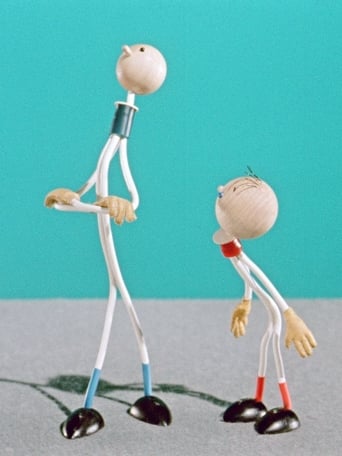
Germany's classic animation includes The Snowman, from 1944, by Hans Fischerkoesen, a delightful colour film in which a snowman comes to life and dreams of seeing the summer. The classic fairy tales and fables on the shelf include Dwarf Nose, from 1986, adapting Wilhelm Hauff's fairy tale of a boy turned into an ugly dwarf by a witch who becomes a master cook, as well as Heinrich, the Deer, about a deer who arrives at a zoo and explores the snowy world, Die Prinzessin auf der Erbse, from Andersen's tale of the princess and the pea, Der Wettlauf, a race between two wire men called Short and Long, Die Musici, about four gentlemen who play house music with great dedication, and Zwei Lieder, a fable of a poet in ancient China.
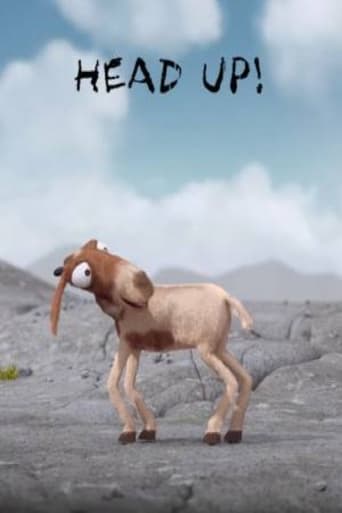
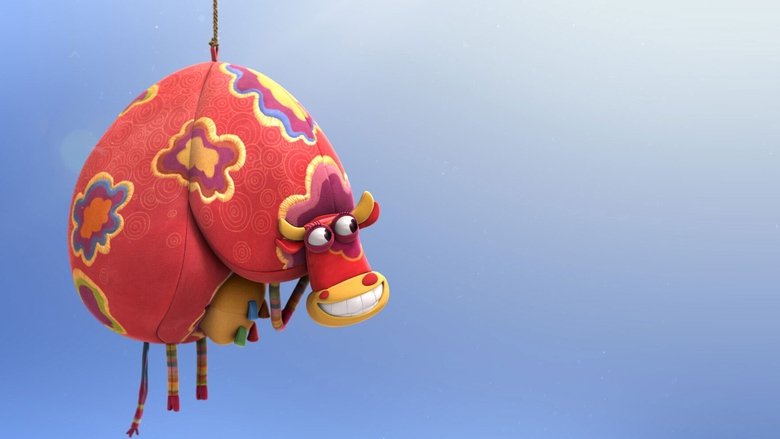
Later German films include Der Apfel, a fable about progress and greed, Kontraste, which follows a raindrop into the earth, Monument, a satire about a statue whose pointing arm changes direction, The Breakdown, about a stranded driver waiting for someone to stop, and Loneliness, about an old widower's plan to spend Christmas in company. The modern shorts include Mobile, by Verena Fels, in which a cow tips the balance of destiny, and Head Up!, in which an old goat and a young one learn from each other. The family features WinneToons - Die Legende vom Schatz im Silbersee, a comic version of Karl May's Winnetou adventures, Die Abenteuer des jungen Sinbad - The Movie, The Magistical and Care Bears: Oopsy Does It! are adventures for children, and Salzburg Marionette Theatre: The Nutcracker films the famous marionette theatre's version of the Christmas ballet.
Southern Europe and beyond
The Southern Europe collection gathers 14 films from Italy, Spain, Catalonia and the Portuguese- and Spanish-speaking world. Catalonia is especially well represented. Peraustrinia 2004, from 1990, was the first animated feature recorded entirely in Catalan, a science-fiction adventure written by Joan Marimón. Mironins follows three little drops of paint, Blu, Low and Ro, who live in the paintings of Joan Miró and come out to play each night when the museum closes, and Scruff's Halloween follows the farm animals of the Scruff series through the Catalan festival of chestnuts and sweet potatoes on the Night of the Dead.
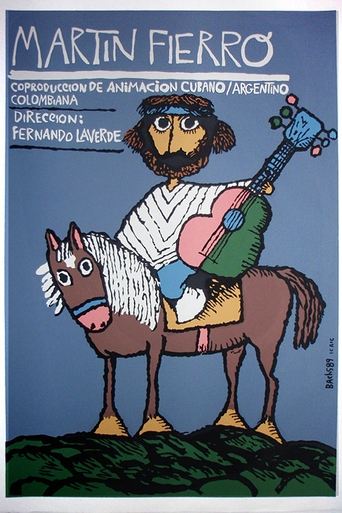
The Spanish-language films include Cristóbal Colón, from 1983, an animated adventure about Christopher Columbus's voyage of discovery; Martín Fierro, from 1989, a children's version of the great Argentine poem about the life of the gaucho; and Alebrijes, a moving short based on the true story of the Mexican craftsman Pedro Linares, who entered a magical world of colourful creatures after an accident and spent his life making them. Sweet Dreams follows a little boy kept awake by the monsters in his bedroom, and Junk shows a robot in a ruined world who builds a dog from spare parts.
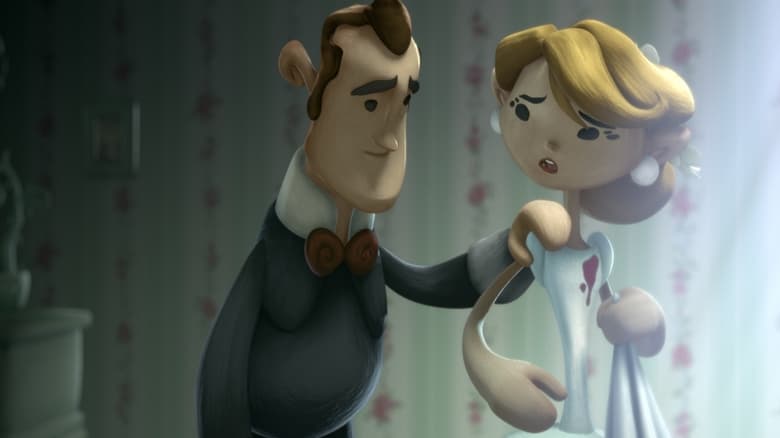
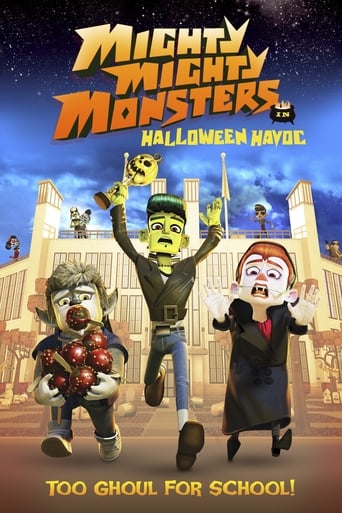
From Italy come Wedding Cake, in which a marzipan couple try to make their marriage perfect on top of a cake, Lucretia, a magical film about a curious little girl from the underworld who discovers Christmas, The Swimming Pool, a 1976 comedy about a man and his brand-new pool, Neuro, a view of life in a block of flats, and Armi su strada, a short about road safety. Mighty Mighty Monsters in Halloween Havoc is a lively Halloween adventure for children.
Favourite characters
Every European country has its favourite cartoon characters, and the Favourite characters collection gathers 28 films with some of the best loved. From the Netherlands come Miffy, the Fien & Teun farm friends, Tummy Tom the cat and the forest reporters of The Daily Fable; from Flanders, Luke and Lucy; from Sweden, Laban the Little Ghost, Desmond the pig and Dolores and Gunellen; from Finland, the Moomins and Mimosa; from Denmark, Mumbo Jumbo the hippo and Curly Burly the troll; and from the Czech Republic by way of Dutch television, Pat & Mat. These characters are perfect for young children, and many of them have long-running television series in their home countries.
Folk tales and fairy tales
Europe is the home of the fairy tale, and the Folk tales and fairy tales collection gathers 48 films built on old stories and legends. Hans Christian Andersen inspired The Swineherd and Die Prinzessin auf der Erbse, Wilhelm Hauff inspired Dwarf Nose, and the Arabian Nights inspired Aladdin and the Magic Lamp, Ali Baba and the Forty Thieves: The Lost Scimitar of Arabia and The Legend of Princess Parva. The Norwegian folk tales of Asbjørnsen and Moe come to life in Det var en gang and Sausage, the Danish legend of Holger the Dane in The Ballad of the Viking King, Holger the Dane, and the Bornholm troll in Curly Burly.
Other films invent new fairy tales. The Monster of Nix follows a young boy who must face an all-devouring monster in an idyllic fairy-tale village, Fairytale Tree the Movie sends the friends of the Fairy Tale Tree to Winterland, and The Girl in the Clouds gives a young girl a magic quill. The Real Shlemiel draws on the Jewish folk tales of the village of Chelm, and North gives the Snow Queen a Norwegian setting.
Winter and Christmas
Winter is long in Northern Europe, and its holidays are full of warmth and light. The Winter and Christmas collection gathers 15 films. Christmas Comes to Moominvalley wakes the Moomins for their first Christmas, Astrid Lindgren's Christmas gathers Swedish holiday stories, and The Christmas Film sets a Swedish Christmas song to animation. In the Netherlands and Flanders the great winter celebration is Saint Nicholas, and Triple Trouble sends a ferret, a canary and a stick insect to ask the saint for presents. The Snowman dreams of summer, Heinrich, the Deer explores the snow at his new zoo, Lucretia discovers Christmas, Julemærket 1964 celebrates the Danish Christmas stamp, and Salzburg Marionette Theatre: The Nutcracker brings the Christmas ballet to the marionette stage.
Short films and Oscar winners
The Short films collection gathers 89 films of under twenty minutes, from one-minute jokes to small masterpieces. Two of them won the Academy Award for animated short film: Anna & Bella, Børge Ring's bittersweet portrait of two sisters, and Balance, the Lauenstein brothers' parable of five men on a tipping platform. Others are celebrated festival favourites: The Aroma of Tea, I Move, So I Am, Golden Tresses, A Little Night Music and Vol Au Vent.
Shorts are perfect for a quick watch, a lesson in the craft of animation or a programme of their own. Many tell their stories through pictures and music alone, so viewers anywhere can enjoy them, whatever language they speak.
Ninety years of European animation
The decade collections show how European animation has grown. The 17 films from 1936 to 1979 include George Pal's puppet Aladdin and the Magic Lamp, Hans Fischerkoesen's The Snowman, the Dutch Havenlichten, the Swedish Barna Hedenhös, the Finnish Behaviour Blossom and a group of witty German shorts from the sixties. These films were made for cinemas and early television, often with tiny budgets and enormous imagination.
The 30 films from 1980 to 1999 bring the Oscar winners Anna & Bella and Balance, the Swedish classics Kattresan and Olssons pastejer, the Danish puppet epic about Holger the Dane, the Catalan feature Peraustrinia 2004 and the Norwegian Det var en gang. The 26 films of the 2000s include the Laban films, The Aroma of Tea and Luke and Lucy: The Texas Rangers, and the 41 films of the 2010s bring Miffy the Movie, The Day of the Crows and a flowering of Dutch shorts.
The 48 films of the 2020s are the largest group, a sign of how busy European animation is today. Here are Benjamin Bat, Oink, Coppelia, North, Lydia and the Mist Rider, Christmas Comes to Moominvalley and dozens of new shorts, many of them made by young directors fresh from Europe's animation schools.
Techniques and styles
European animators use every technique imaginable. George Pal's puppets and the Danish Holger the Dane film use carved figures moved frame by frame, and many modern Dutch and Scandinavian shorts use stop-motion with clay, felt and found objects. Michaël Dudok de Wit painted The Aroma of Tea with tea itself, Behaviour Blossom uses paper cut-outs and Balance uses carefully lit puppets on a minimal set. The modern family features mostly use computer animation, often with a warm, hand-made look that recalls the picture books they come from, as in Miffy the Movie, which keeps Dick Bruna's bold lines and flat colours.
Public broadcasters and film funds
Much of the animation in this catalogue exists thanks to Europe's public broadcasters and film funds. In the Netherlands, programmes for young children made characters such as Fien & Teun and Tummy Tom household names, and the forest reporters of The Daily Fable were a fixture of Dutch television for decades. In Sweden and Finland, public television brought Laban, the Moomins and Mimosa to generations of children, and in Denmark and Norway national film institutes support a lively stream of family features and festival shorts every year.
The film schools of Europe are just as important. Many of the short films in the catalogue began as graduation projects or first films supported by national funds, and their directors went on to make features, series and commercials around the world. Watching the newest shorts on AnimeOnline is a good way to meet the European animators of tomorrow.
Music and voices
Music plays a starring role in European animation. Piccolo, Saxo and Company turns the instruments of the orchestra into a family, Golden Tresses dances to Monteverdi, A Little Night Music gives a cabinet of objects a night-time concert, and Coppelia retells Léo Delibes's ballet as a modern dance film. The Fien & Teun films are full of songs for young children, and many of the shorts use music in place of dialogue altogether.
The voices of the family features are often provided by well-known actors in each country, and the best-known films have been dubbed into many European languages, so that a child in Spain can enjoy Miffy and a child in the Netherlands can enjoy the Moomins in their own language.
Animals everywhere
Animals are the great stars of European animation. The catalogue is full of them: rabbits, cats, dogs, pigs, bats, hippos, pandas, polar bears, beetles, chickens and moles. Miffy is a little rabbit, Tummy Tom is a cat, Benjamin is a bat, Mumbo Jumbo is a hippo and the hero of Oink is an unruly little piglet. Panda Bear in Africa sends a panda across continents, Ursa – The song of the Northern Lights follows a polar bear cub, and Mini and the Mozzies follows a beetle in a flea circus. Desmond & the Swamp Barbarian Trap stars a pig, A Dog's Tale a puppy, Miss Moxy a pampered city cat, and Pim & Pom: The Big Adventure two cats who must find their way home.
Animal films are a wonderful way into animation for young children, because the characters are easy to love and their adventures are full of humour and warmth. They are also a reminder of how closely European storytelling is tied to the countryside and the forest, from the farm of Fien & Teun to the woods of The Calling and the Arctic ice of Ursa.
Friendship and family
Many films in the catalogue are, at heart, stories about friendship and family. The World of Dolores and Gunellen shows two very different friends learning to balance each other, Silkesapans skratt brings together a silk monkey and a tapir, and Heads Together unites three friends of different backgrounds. Bill and Bunny follows a boy getting used to a new baby sister, 2 Kleine Kleutertjes: Een Dag Om Nooit Te Vergeten follows two children on the day their sibling is born, and My Life in Versailles – The Movie shows a girl and her gruff uncle slowly becoming a family. Klonkadonka! deals gently with a friendship that changes, and Cell Buddies turns a grumpy raccoon and a sweet manatee into unlikely friends.
These stories travel well because their feelings are universal. A child in Spain understands the jealousy of a new big brother in Sweden, and a grandparent in Finland understands the joy of an old woman's dream of Paris. That is part of what makes European animation such a pleasure to share across languages and generations.
Journeys and adventures
Journeys are another favourite theme. Lydia and the Mist Rider crosses the Misty Sea aboard a flying ship, Bim flies to Rome, North follows Gerda into the frozen unknown, and Dandelion's Odyssey follows two seeds in search of new soil. Robinson and Company is shipwrecked on a desert island, Cristóbal Colón crosses the Atlantic, and Luke and Lucy: The Texas Rangers travel back to the Wild West. Shorter journeys appear in Vol Au Vent, where a paper plane flies through the four seasons, and Jonas and the Sea, where a man dreams of a life beneath the waves.
Building a programme
With so many countries to explore, the best way to start is to build a little programme of your own with My List. Here are a few ideas.
A European tour in shorts: Anna & Bella from the Netherlands, Balance from Germany, The Aroma of Tea, Mironins from Catalonia, Wedding Cake from Italy, Mole's Treasure from Finland and The Swineherd from Denmark. A programme for young children: Miffy the Movie, Laban the Little Ghost, Christmas Comes to Moominvalley, Tummy Tom and the Lost Teddybear and Fay & Tom.
A family film night: Benjamin Bat, Oink, North, Lydia and the Mist Rider or The Girl in the Clouds, with a short such as Vol Au Vent or Chick Wash to begin. A fairy-tale evening: Det var en gang, Dwarf Nose, Die Prinzessin auf der Erbse and The Real Shlemiel. A Christmas programme: Astrid Lindgren's Christmas, Triple Trouble, The Snowman and Salzburg Marionette Theatre: The Nutcracker.
For families
Most of the films in this catalogue were made for children, and many come from public broadcasters with a long tradition of gentle, thoughtful children's programmes. The youngest viewers will love Miffy, Laban, Fien & Teun, Tummy Tom, Pat & Mat and the Moomins. Older children will enjoy the adventures of Lydia and the Mist Rider, Benjamin Bat, Luke and Lucy: The Texas Rangers and John the Fearless. Every film page carries a summary of the story, so parents can choose with confidence.
Languages and dubs
The films in the catalogue were made in Dutch, French, German, Swedish, Norwegian, Danish, Finnish, Icelandic, Italian, Spanish, Catalan and Portuguese. Many of the family features have English and other dubbed versions, services list their own subtitle tracks, and many of the shorts tell their stories through music and pictures alone. Every film in AnimeOnline is listed under its English title, or its original title where it is best known that way, with an English summary of the story.
The AnimeOnline guides
Beside the catalogue sit fifteen short help pages written for AnimeOnline. The first stop for most visitors is How to watch, which walks through the Watch now button and the country menu. Finding a film explains the search field and the A to Z bar, and My List shows how to save a European film tour in your browser and carry it to another device.
The regional guides open shorter routes: the Low Countries guide, the Nordic guide, the France, Germany and Southern Europe guide, the Oscar winners and classic shorts guide and the Winter and Christmas guide. The practical guides cover Languages and dubs, Free European animation, Apps and devices, Where AnimeOnline films stream, Watching safely, Is AnimeOnline working? and The official AnimeOnline site.
How the catalogue is chosen
AnimeOnline is a hand-picked catalogue. Every film was checked by hand against its story and credits, and the catalogue favours films that are well made, rewarding and suitable for a broad audience. European animation for adults includes many erotic, horror, war and political films, and those are kept out of the catalogue so that it stays welcoming for families. Series are left to other guides, and every title here is a self-contained short or feature.
Posters and production details come from TMDB, the community-built film database, and the availability shown by Watch now comes from JustWatch, which tracks the official services in each country. The words on this page and in the guides are written for AnimeOnline by its own editorial team.
Watching today
European animation is easier to find than ever. Family features appear on streaming services across Europe and beyond, public broadcasters stream their children's films in their home countries, and national film institutes and archives share many restored classics and award-winning shorts on their official sites. Festivals such as Annecy in France, Animafest in Zagreb, Anima in Brussels and the Holland Animation Film Festival in Utrecht show the newest European shorts every year.
For the best experience, mix countries and decades: a Dutch short, a Swedish classic, a German fairy tale and a French adventure make a lovely evening. Many of these films were made with great care for small audiences in their home countries, and discovering them is one of the pleasures of being a film lover today.
A continent of stories
From the windmills of the Netherlands to the forests of Finland, European animators have created a treasure house of stories, characters and art. The 162 films on AnimeOnline open the door to that treasure house, from George Pal's puppets of the thirties to the newest family features of 2026.
Search for a title, use the A to Z bar or start with one of the programmes above. Press Watch now, choose your country, and enjoy. Welcome to AnimeOnline.
Questions
What is AnimeOnline?
AnimeOnline is a guide to 162 animated films from Western and Northern Europe, from 1936 to 2026, with a Watch now button that opens each film on JustWatch for your country.
Which countries are covered?
The Netherlands and Flanders, France and other French-speaking countries, Germany and Austria, Italy, Spain, Catalonia, Portugal, Sweden, Norway, Denmark, Finland and Iceland.
Is Miffy on AnimeOnline?
Yes. Miffy the Movie is in the Low Countries and Favourite characters collections.
Which Oscar winners are here?
Anna and Bella, by Børge Ring, and Balance, by Christoph and Wolfgang Lauenstein, both won the Academy Award for animated short film.
Which films suit young children?
Miffy, Laban the Little Ghost, Fien and Teun, Tummy Tom, the Moomins and Pat and Mat are perfect for young children.
Are the films dubbed into English?
Many family features have English dubs, services list their own subtitle tracks, and many shorts tell their stories through music and pictures alone.
How does My List work?
Press Add to My List on any film page. The list stays in your browser and can be exported to another device.
Does AnimeOnline work on a phone or TV?
AnimeOnline works in any current browser. On a television, press Watch now and open the chosen service's own app.
Why does AnimeOnline look the way it does?
The black header, the A to Z bar, the light blue banner and the wide cards with pink badges come from the archived design of animeonline.ninja.